


Who is ASEN?
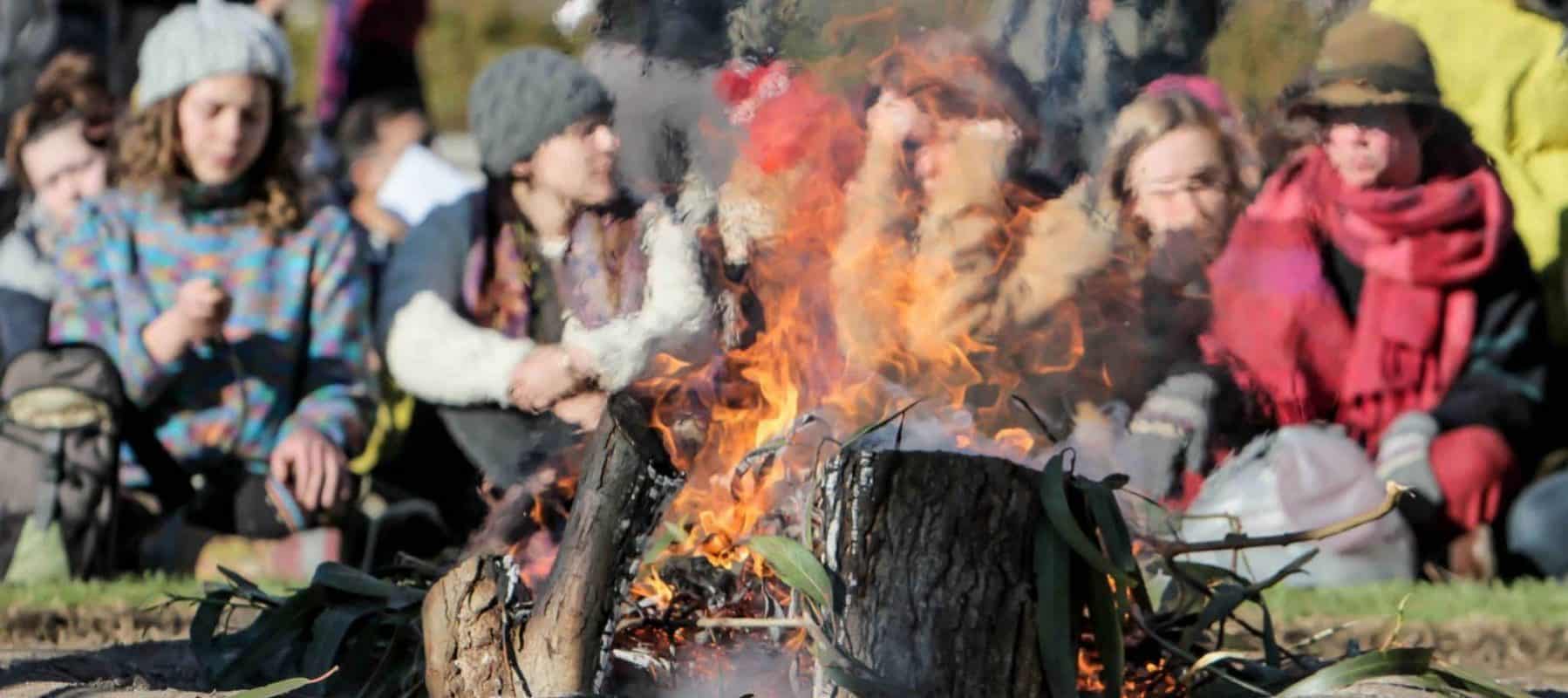
Australian Student Environment Network connects student environment groups from around Australia committed to building grassroots movements for change. We actively work for environmental and social justice through transformational and empowering collective action on a range of critical ecological and social issues. We recognise that Aboriginal sovereignty was never ceded, and work in solidarity with Aboriginal struggles.

Students of Sustainability Conference [SoS]
The Students of Sustainability Conference 2018 will be held in Narrm (Melbourne)
Please visit the SOS website and Facebook for tickets, more info, and updates as they become available.
What is Students of Sustainability?
Students of Sustainability is the largest and longest-running environmental justice conference in Australia and is completely organised by volunteers, mostly from the Australian Student Environment Network. It takes place in July at a different university campus each year and features workshops, forums, actions, entertainment and amazing activists from around Australia. Students of Sustainability Conference is a key event in ASEN’s calendar each year. Having been the site of the network’s formation in 1997, it continues to be a source of energy for the ongoing environmental and social justice struggles in which we take part.
Taking place every year since 1991, it has brought together thousands of people from across Australia to take part in workshops, forums and actions on a range of social and environmental issues. It aims to demonstrate how theory and practice can be used to create positive and meaningful social change.
A History of the Conference
The conference began in Canberra in 1991 under the name “Students, Science and Sustainability”. This first conference attracted 300 students to discuss matters of sustainability with respect to students and science.
Throughout the past 20+ years, interest and enthusiasm for the conference has grown, and the number of participants has steadily increased. As SoS moves around the country, it spreads its unique, life-affirming, change-making energy to the University and community that hosts it…
Each year students, community members, Indigenous activists, academics, public intellectuals, environmental educators and social change agents of all stripes and from all over Australia are invited to participate.
There is a range of educational, practical and participatory forums, workshops, excursions, entertainment and lots of time drinking chai with new friends.
The vision is to provide a conference that will bring together diverse groups of people to share inspiring and thought-provoking experiences, which encourage positive discussion and action aimed at creating ecological, political, economic and social sustainability in the world. SoS provides an opportunity for us to become empowered with the confidence, practical skills and motivation, required so that humanity can have a healthy relationship with the earth and all of its diverse ecosystems.

GET INVOLVED
ASEN is made up of state networks that organise around broader state issues in solidarity with community groups, and individual campus collectives that campaign on issues specific to the university.
There are lots of ways to get active on environmental justice issues, from joining your local campus collective, to organising a national event or skillshare in your city, to producing great content for our blog or magazine. There’s something for everyone and great opportunities to learn.
What is a Collective?
A collective is a group of people working together towards a common goal, or sharing similar aims or interests. Collectives actively aim to avoid hierarchies of power or information. They are unaffiliated to political parties. They are open and participatory, and every person’s opinion is given equal weight in decision making. Participants are encouraged into equal ownership of the collective.
Collectives allow people to give each other momentum and inspiration, to share experience and knowledge. They are also supportive environments to get active in, so that you can be a force of change and do what you talk and dream of. People who participate can be diverse in how they contribute and experience it.
Finding Your Local Campus Environment Collective
> Check out the State Network pages to find your uni collective:
NSW & ACT | SA | VIC | QLD | WA | NT | TAS
> If your university isn’t in the list, there are lots of ways to find it:
– Send us an email at info@asen.org.au and we’ll put you in contact with them
– Contact the state network convenor – check the State Network pages for details
– Go down to your university’s SRC or student union, and ask for the enviro officer
– Search on facebook for ‘[your uni] + enviro’
> If it doesn’t look like your uni has an active enviro collective, it’s really easy to start one up or re-form an old one, there are always people on campus who are interested in!
1. Check out our resources of building and maintaining an enviro collective
2. Contact us at info@asen.org.au and we can put you in touch with other interested people at your uni
CAMPAIGNS
ASEN as a group run few campaigns; what we do best is supporting grassroots community groups in their own environmental struggles. This map below shows some of the campaigns we have been involved in or seek to support, with links to more information about how you can get involved.
It’s not at all comprehensive, so if you see something that you think should be here, flick an email to communications[at]asen.org.au and let us know!
ASEN Training Camp 2018

This year in mid January, ASEN’s annual Training Camp took place on Dharawal country at Minto Bush Camp. Nestled in bushland and near a huge river, more than a hundred people from SA, WA, NSW and Victoria came together to share skills, knowledge and perspectives, with an aim to strengthen the grassroots student network throughout Australia.
Around forty workshops were hosted, with content ranging from implementing feminism in our working spaces, combating hierarchy to organizing effective actions, the strategic use of
media and updates on campaigns being waged against extractive industry in the #Pilliga, Central coast, Northern Territory and more. The first day saw workshops exclusively on the struggles, triumphs and culture of First Nations people and communities.
New office bearers were elected and we welcomed a powerful trio of National Co-conveners, Lily Matchett, Anisa Rogers and Ruby Hampton to guide ASEN into the new year. Each state network also sat down to map out strategies and coordinated goals for the coming months.
We departed Minto energized, brimming with plans and connected to our shared goals for 2018. These are just a few of the highlights, which fail to capture the energy and collective spirit which emerge at ASEN events.
We hope you can join us at next year’s Training Camp, and later this year for the Students of Sustainability conference in Naarm.
Content from the workshops run over the course of the week will be made available on our website in the coming weeks, so stay tuned!
Check out the 2018 Training Camp Program

